The 7 Types of ADHD in Adults: Beyond the DSM-5
If you have spent any time researching ADHD online, you have likely encountered the concept of the "7 Types of ADHD." This framework suggests that by looking at brain scans, we can categorize ADHD into highly specific subtypes like "Ring of Fire" or "Limbic" ADHD.
It sounds incredibly compelling. Finally, a concrete, visual explanation for why your brain feels so chaotic. But there is a catch: mainstream clinical psychology and neuroscience do not recognize the 7 types.
So, why is this framework so popular? And if the 7 types are not scientifically validated, how should we understand the wildly different ways ADHD presents in adults?
The Appeal (and Flaw) of the 7 Types
The "7 Types of ADHD" model was popularized by Dr. Daniel Amen, relying heavily on SPECT (Single Photon Emission Computed Tomography) brain scans. He proposed categories such as Classic, Inattentive, Overfocused, Temporal Lobe, Limbic, Ring of Fire, and Anxious ADHD.
The appeal is undeniable. When the official diagnostic manual (the DSM-5) only gives us three rigid buckets—Inattentive, Hyperactive, and Combined—the 7-type model feels like a breath of fresh air. It acknowledges that ADHD is not just about losing your keys; it is about crippling anxiety, intense emotional dysregulation, and hyperfocus.
"The 7-type model is popular because it validates the emotional and cognitive struggles that the DSM-5 completely ignores. It answers a desperate need for nuance."
However, leading ADHD researchers, including Dr. Russell Barkley and Dr. Thomas Brown, have strongly criticized the use of SPECT scans for diagnosing ADHD subtypes. Brain imaging is a phenomenal research tool, but it is not currently reliable enough to diagnose individual psychiatric conditions or to slice ADHD into seven distinct neurobiological categories. The scientific consensus is clear: the 7 types lack rigorous, peer-reviewed validation.
Moving from Categories to Dimensions
If the 7 types are clinically flawed, but the DSM-5 is practically inadequate, where does that leave you?
Modern ADHD research is shifting away from rigid "types" and moving toward a dimensional approach. Instead of putting you in a box, a dimensional model measures your specific cognitive profile across a spectrum. You are not just "an Inattentive type" any more than you are a "Ring of Fire type." You have a unique baseline of executive functioning and emotional regulation that fluctuates based on stress, sleep, and environment.
This is why, at ADHDtype, we focus on 5 Core Cognitive Modes rather than permanent clinical labels. These modes are not permanent diagnoses; they are experiential states rooted in established executive function models.
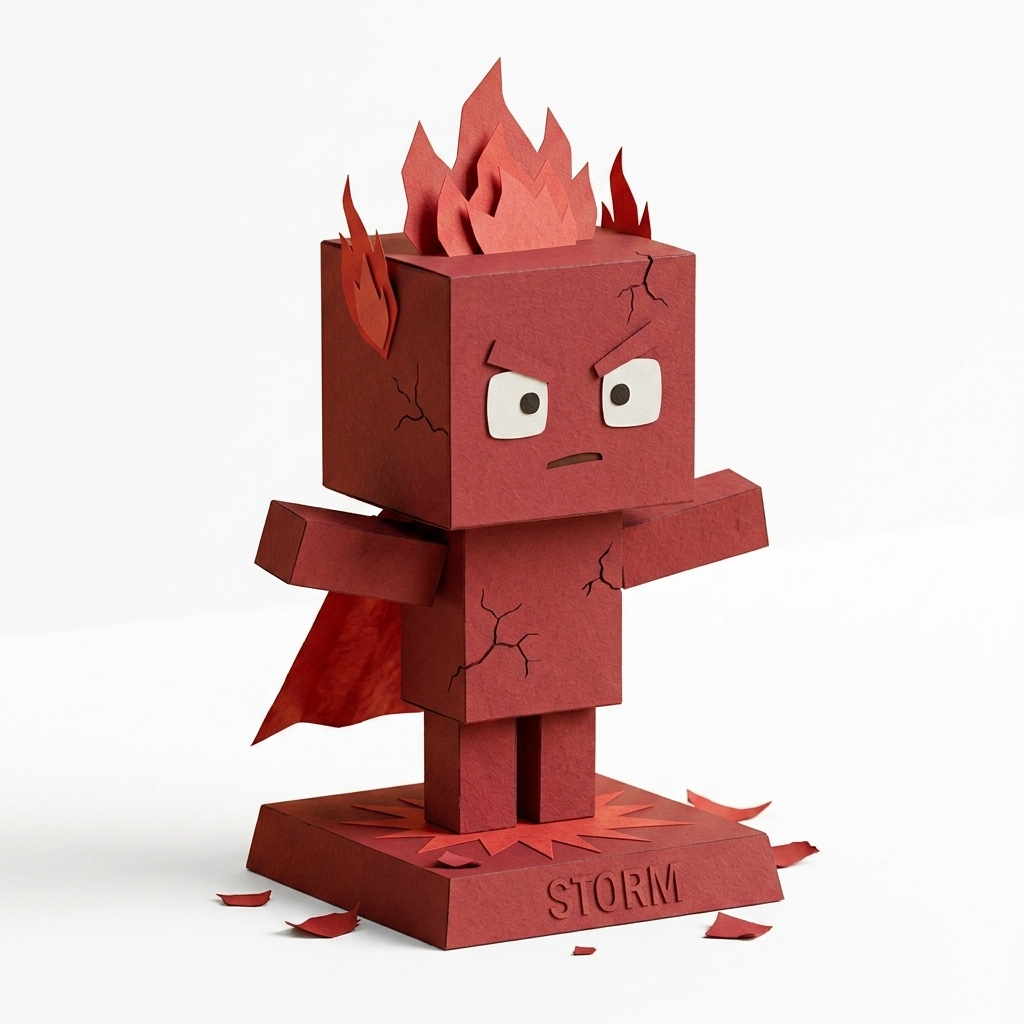
1. The Storm Mode (Emotional Reactivity)
The DSM-5 largely ignores emotions, but Dr. Russell Barkley’s framework places Deficient Emotional Self-Regulation (DESR) at the core of ADHD. If you relate to "Limbic" or "Ring of Fire" ADHD from the 7-type model, you are likely experiencing the Storm Mode. Your dopamine deficits make it incredibly difficult to brake your emotional responses. You feel joy, anger, and rejection at full volume.
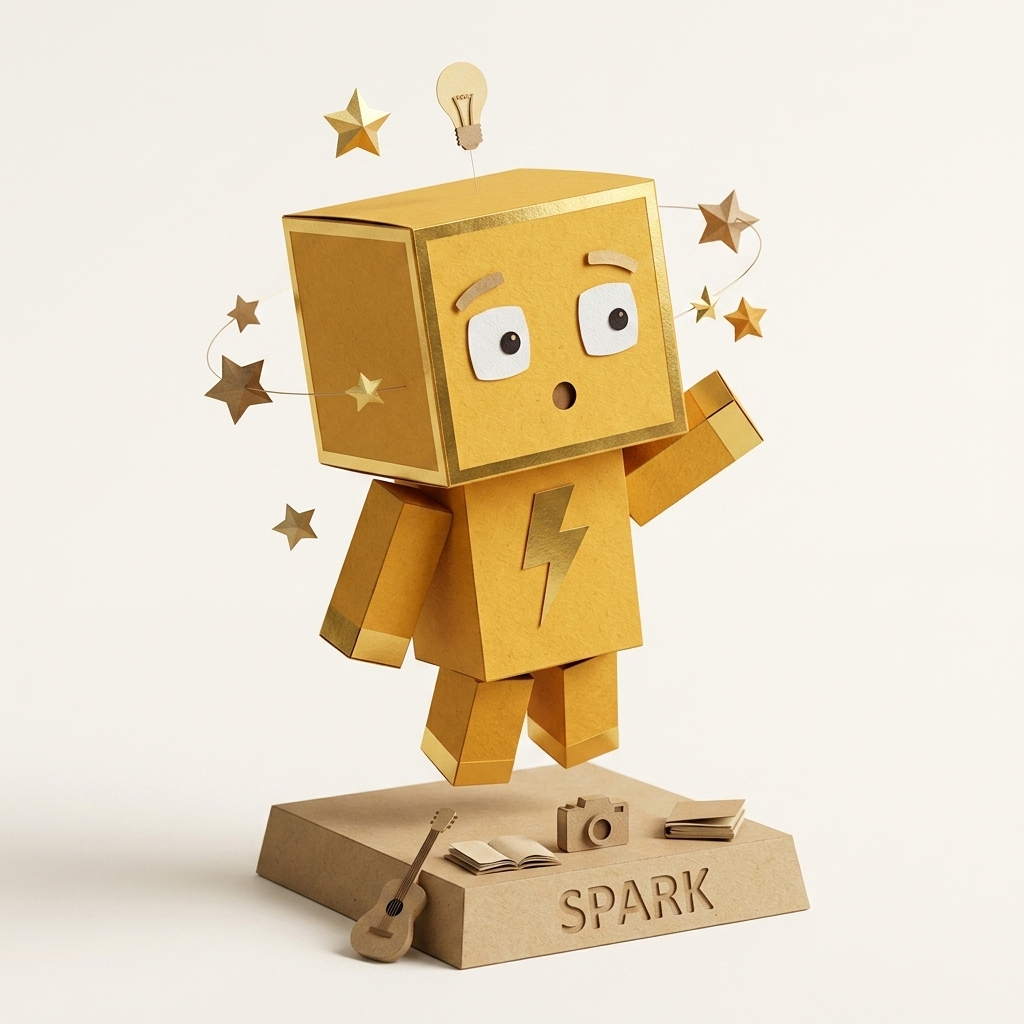
2. The Spark Mode (Idea Generation)
ADHD brains are starved for stimulation. This results in the Spark Mode—a state of relentless idea generation. You start ten projects before lunch but struggle to finish one. This maps closely to the working memory and activation deficits identified in Dr. Thomas Brown’s executive function clusters.
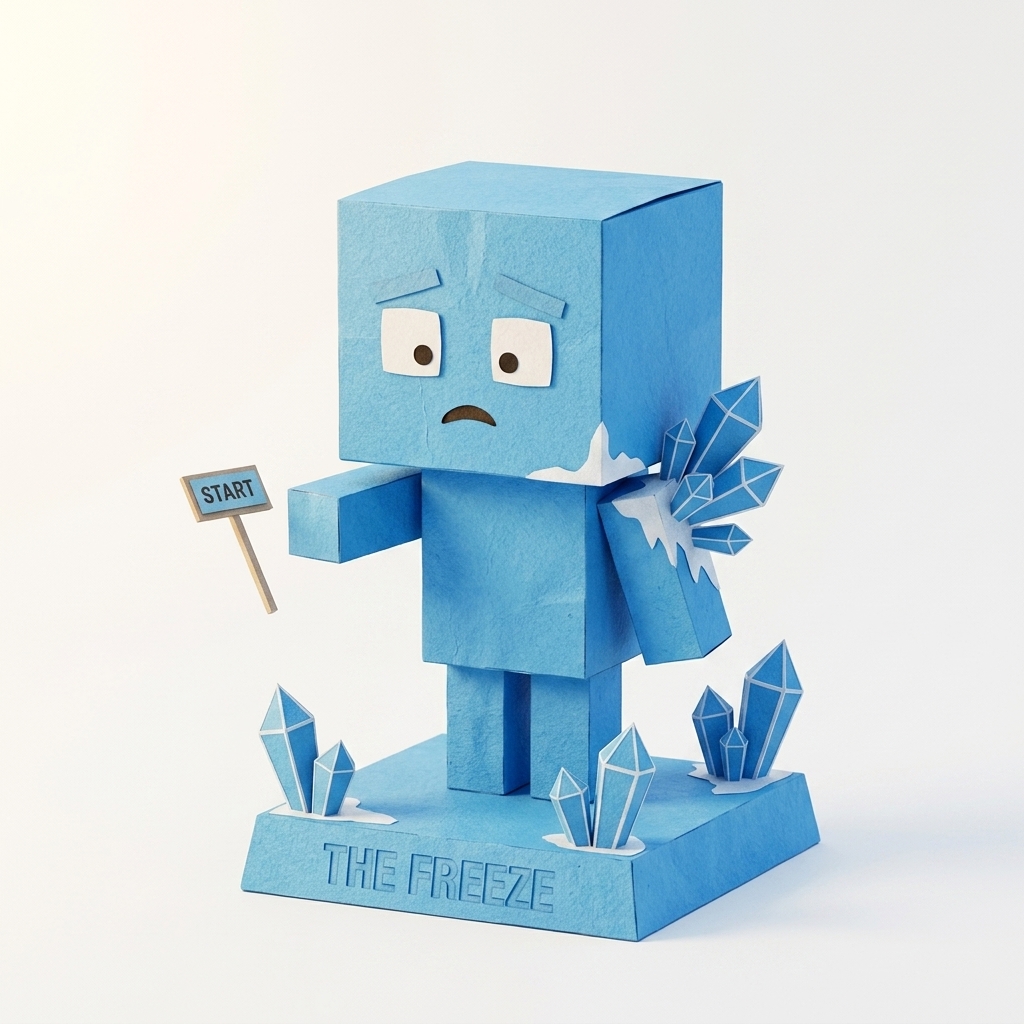
3. The Freeze Mode (Task Paralysis)
Perhaps the most misunderstood aspect of ADHD is task paralysis. You know exactly what you need to do, but an invisible wall stops you from doing it. The Freeze Mode is not laziness; it is a profound failure of the brain's initiation network. The basal ganglia simply do not release enough dopamine to spark action.
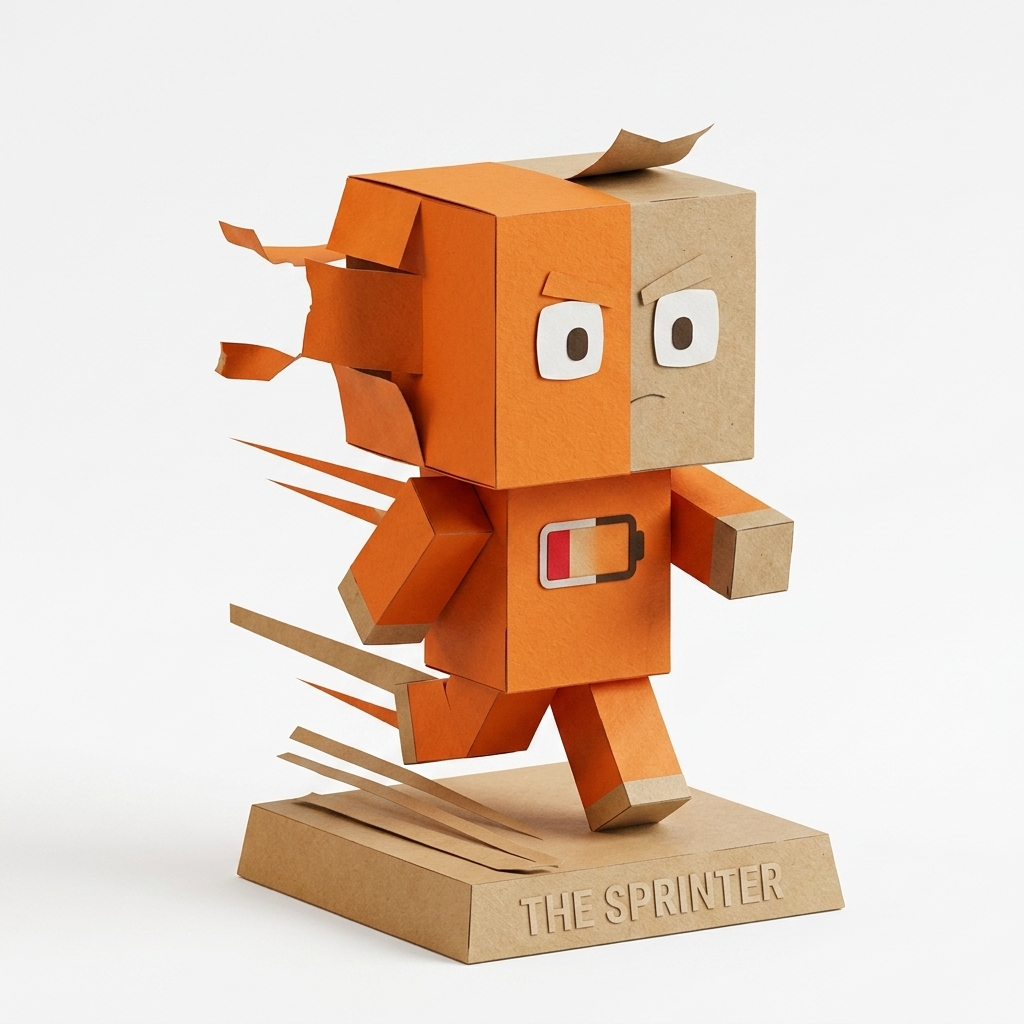
4. The Sprinter Mode (Energy Cycles)
Many adults with ADHD operate in extreme boom-and-bust cycles. You can hyperfocus and complete a week's worth of work in 12 hours, followed by three days of total exhaustion. The Sprinter Mode highlights the profound energy management challenges inherent in a neurodivergent brain.
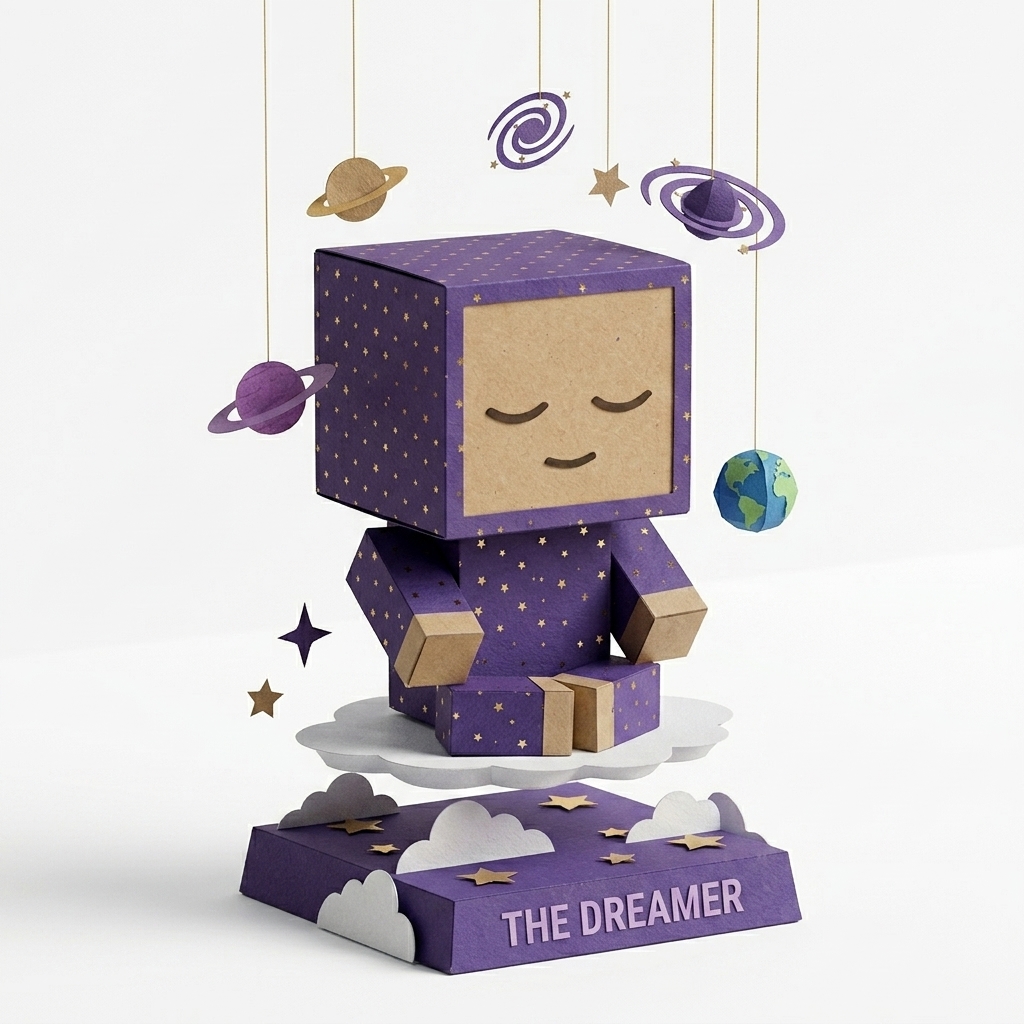
5. The Dreamer Mode (Internal Focus)
Often labeled as "Inattentive," the Dreamer Mode is characterized by a rich, hyper-active internal world. Your attention is not missing; it is simply directed inward. This mode often goes undiagnosed for decades, particularly in women, because it does not disrupt the classroom or the workplace.
The Role of Masking
There is one crucial element that neither the DSM-5 nor the 7-type model adequately addresses: Social Masking.
Many adults spend enormous amounts of executive energy hiding their ADHD traits to survive in a neurotypical world. You might appear perfectly organized and calm on the outside, while internally, your cognitive load is redlining. Masking can apply to any of the 5 modes, and it is a leading cause of ADHD burnout.
How to Apply This Knowledge
Understanding your ADHD profile is not about finding the perfect label. It is about identifying your current cognitive state so you can apply the right interventions.
- Map Your Baseline: Understand which of the 5 modes you default to under stress. Do you Freeze, or do you become a Storm?
- Target the Bottleneck: If you are in Freeze mode, buying a new planner will not help. You need dopamine and immediate external accountability to bypass the initiation deficit.
- Audit Your Masking: Evaluate how much energy you spend appearing neurotypical. Where can you drop the mask to preserve your executive function for what actually matters?
The 7 types of ADHD may not be scientifically sound, but the frustration that drove their popularity is entirely valid. You are not a neat, categorical box. You are a complex, dynamic system. Take the ADHD Type Test to map your unique cognitive dimensions and start working with your brain, rather than against it.
Header Image Prompt: Origami layered paper craft of a Storm Cloud with Lightning Spark. Warm studio lighting, solid dark brown background, highly detailed 3D render. Center the subject perfectly. Keep the top 25% and bottom 25% of the canvas completely empty with a solid background, allowing for a 16:9 center crop.